
The Blog
Welcome to the Whistling Andy blog, while we are craft distillers by trade, we are passionate about many things. Here you will find stories about things near and dear to us. Such as great cocktails, food, nature, history, and made in USA goods! Enjoy!
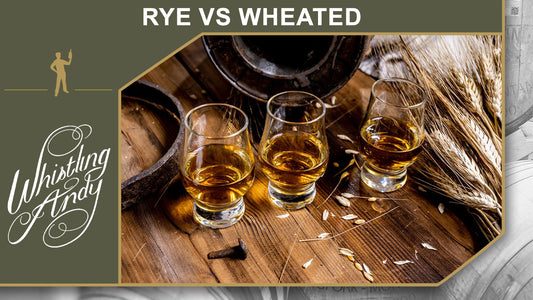
Rye vs. Wheated Bourbon
Bourbon is a distinct type of whiskey aged in a new, charred oak barrel. Different levels of char create different colors and levels of flavor, including smokiness, vanilla, and toffee. By law, all bourbon must be made from at least 51% corn. The other 49% of the mash, or the distiller’s unique combination of other ingredients, can be any combination of grains, including wheat, rye, and malted barley.
Rye vs. Wheated Bourbon
Bourbon is a distinct type of whiskey aged in a new, charred oak barrel. Different levels of char create different colors and levels of flavor, including smokiness, vanilla, and toffee. By law, all bourbon must be made from at least 51% corn. The other 49% of the mash, or the distiller’s unique combination of other ingredients, can be any combination of grains, including wheat, rye, and malted barley.
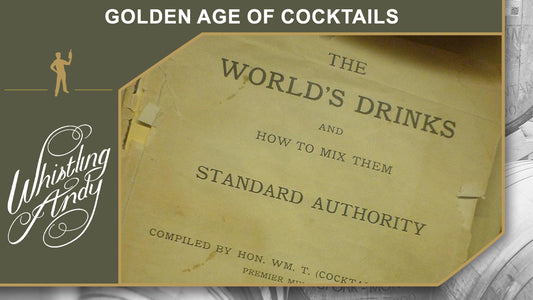
The Golden Age of Cocktails: 1806-1910's
The 1920s may be responsible for some of the world’s most iconic drinks, but the golden age of cocktails kicked off in 1806. Cocktails found their inspiration from British punches, which consisted of spices, spirits, and fruit juices combined in large bowls. While cocktails have likely existed in some form or another for thousands of years, the origins of the cocktail we know and love today can be traced back to a fateful mention in a New York newspaper in 1806.
The Golden Age of Cocktails: 1806-1910's
The 1920s may be responsible for some of the world’s most iconic drinks, but the golden age of cocktails kicked off in 1806. Cocktails found their inspiration from British punches, which consisted of spices, spirits, and fruit juices combined in large bowls. While cocktails have likely existed in some form or another for thousands of years, the origins of the cocktail we know and love today can be traced back to a fateful mention in a New York newspaper in 1806.

Lewis and Clark Expedition at Travelers’ Rest (Lolo, Montana)
Lewis and Clark are two of the most famous explorers in American history. They mapped previously uncharted mountains, rivers, and land, filling many journals with information about Native American tribes and notes about unfamiliar animals and plants. Their westward exploration is partly responsible for the droves of Americans who would soon attempt to settle the west. Of the more than 8,000 miles covered by Lewis, Clark, and their team, only one campsite along their route can be known for certain: Travelers’ Rest at Lolo Creek, Montana.
Lewis and Clark Expedition at Travelers’ Rest (Lolo, Montana)
Lewis and Clark are two of the most famous explorers in American history. They mapped previously uncharted mountains, rivers, and land, filling many journals with information about Native American tribes and notes about unfamiliar animals and plants. Their westward exploration is partly responsible for the droves of Americans who would soon attempt to settle the west. Of the more than 8,000 miles covered by Lewis, Clark, and their team, only one campsite along their route can be known for certain: Travelers’ Rest at Lolo Creek, Montana.
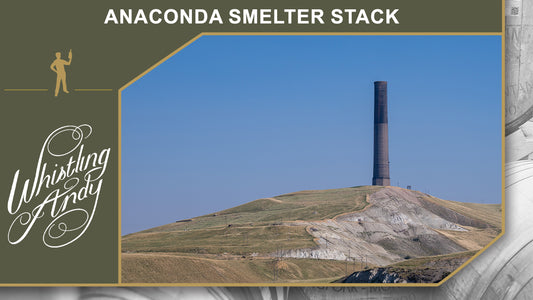
The Anaconda Smelter Stack
Montana is home to many unique and beautiful sights, including one of the tallest free-standing brick structures anywhere in the world: the Anaconda Smelter Stack. Built by the Anaconda Copper Company, this brick structure has become a well-known landmark visited by thousands of people each year. It is so large that the entire Washington Monument could fit comfortably inside of it.
The Anaconda Smelter Stack
Montana is home to many unique and beautiful sights, including one of the tallest free-standing brick structures anywhere in the world: the Anaconda Smelter Stack. Built by the Anaconda Copper Company, this brick structure has become a well-known landmark visited by thousands of people each year. It is so large that the entire Washington Monument could fit comfortably inside of it.
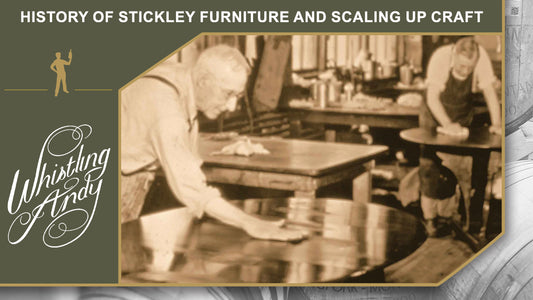
History of Stickley Furniture and Scaling Up Craft
Gustav Stickley, the eldest of five brothers and the proud son of first-generation German immigrants, was born in Wisconsin on March 9, 1858. He started to train as a stonemason when he was eleven and started work in his uncle’s chair factory in Pennsylvania when he was seventeen. Gustav and his brothers Charles and Albert founded the Stickley Brothers Company in Pennsylvania in 1883. After traveling to Europe, Gustav returned home and opened his Craftsman Shop in 1898. This is where he first began experimenting with new and distinct designs.
History of Stickley Furniture and Scaling Up Craft
Gustav Stickley, the eldest of five brothers and the proud son of first-generation German immigrants, was born in Wisconsin on March 9, 1858. He started to train as a stonemason when he was eleven and started work in his uncle’s chair factory in Pennsylvania when he was seventeen. Gustav and his brothers Charles and Albert founded the Stickley Brothers Company in Pennsylvania in 1883. After traveling to Europe, Gustav returned home and opened his Craftsman Shop in 1898. This is where he first began experimenting with new and distinct designs.
The Journey of the Charred Whiskey Barrel
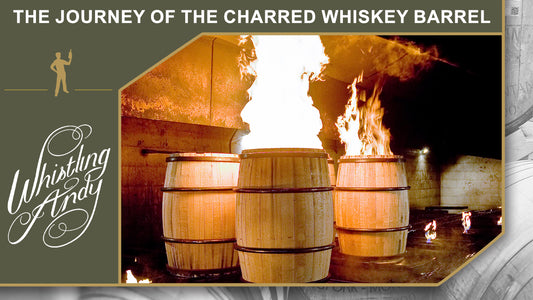
While the exact origin of charring whiskey barrels may never be known, one thing is for sure: it’s responsible for the signature flavor of bourbon. Some historians claim that Elijah Craig’s barrels caught on fire and, to save money, he continued using them anyways. Others believe he charred them to remove the remnants of whatever was previously stored in them.
The Journey of the Charred Whiskey Barrel
While the exact origin of charring whiskey barrels may never be known, one thing is for sure: it’s responsible for the signature flavor of bourbon. Some historians claim that Elijah Craig’s barrels caught on fire and, to save money, he continued using them anyways. Others believe he charred them to remove the remnants of whatever was previously stored in them.